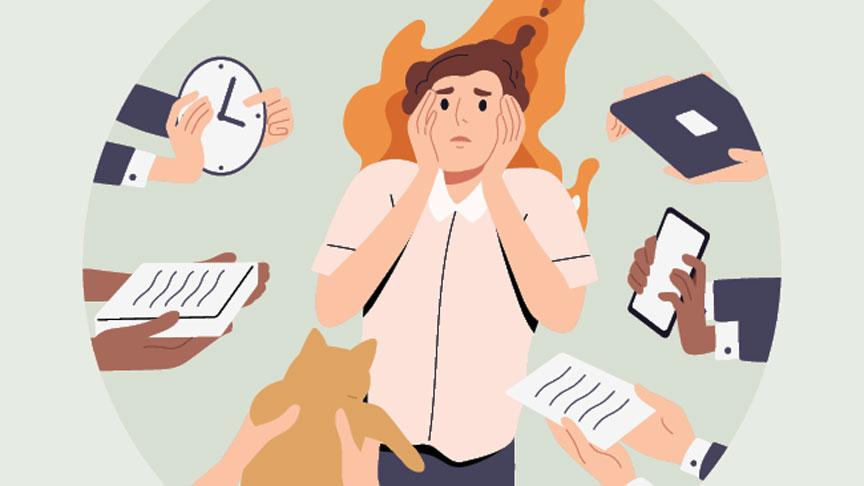
In today’s fast-paced world, emotional exhaustion is becoming increasingly common. Between work pressures, family responsibilities, social expectations, and constant digital noise, it’s no wonder many people feel drained. But while occasional stress is normal, ongoing emotional fatigue may point to something more serious: emotional burnout.
Recognizing the signs of emotional burnout early can help you take action before it leads to more severe mental or physical health problems. In this article, we’ll explore what emotional burnout is, the symptoms to look out for, and how to start the recovery process.
What Is Emotional Burnout?
Emotional burnout is a state of chronic mental and emotional fatigue caused by prolonged stress, overwhelm, or emotional strain. It’s often associated with work-related stress, caregiving, or any situation where a person feels consistently overextended and under-supported.
Unlike short-term stress, burnout builds over time and doesn’t resolve with a weekend off or a vacation. It impacts your:
- Emotions
- Motivation
- Cognitive function
- Relationships
- Physical health
1. Constant Fatigue and Low Energy
Feeling tired isn’t unusual—but when that exhaustion becomes chronic and persists despite rest, it may be a warning sign.
Burnout fatigue feels like:
- Waking up already tired
- Lacking energy for basic tasks
- Feeling drained even after relaxing activities
- Struggling to concentrate or stay awake during the day
Your body is telling you it’s overworked and under-recovered.
2. Emotional Numbness or Detachment
One of the most telling symptoms of emotional burnout is a loss of emotional responsiveness.
You may feel:
- Emotionally flat or indifferent
- Unable to enjoy things that once made you happy
- Disconnected from friends, family, or yourself
- Like you’re “going through the motions”
It’s your mind’s way of protecting itself from chronic emotional overload.
3. Increased Irritability or Frustration
Small things that wouldn’t normally bother you suddenly trigger outbursts or deep frustration. This might include:
- Snapping at loved ones
- Feeling overwhelmed by minor inconveniences
- Growing resentment toward work or daily routines
Burnout depletes your emotional bandwidth, making it harder to regulate reactions.
4. Reduced Performance and Motivation
When emotionally burnt out, you may notice a sharp decline in your productivity or ambition—even if you were once highly motivated.
You might:
- Procrastinate frequently
- Miss deadlines or commitments
- Struggle to concentrate
- Feel like everything takes more effort than it should
Burnout can make even simple tasks feel overwhelming.
5. Difficulty Sleeping
Ironically, even though you’re exhausted, burnout can disrupt your sleep.
Common issues include:
- Trouble falling asleep due to racing thoughts
- Waking up throughout the night
- Restless, non-refreshing sleep
- Insomnia caused by anxiety or overthinking
Poor sleep, in turn, worsens emotional burnout—creating a damaging cycle.
6. Physical Symptoms With No Clear Cause
Emotional burnout doesn’t just affect the mind—it impacts the body too.
You may experience:
- Headaches or migraines
- Digestive issues
- Muscle tension, especially in the shoulders or neck
- Weakened immune function
- Appetite changes (eating too much or too little)
These physical cues are your body waving a red flag.
7. Feelings of Hopelessness or Cynicism
A bleak or negative outlook can also be a sign of emotional depletion.
You might think:
- “What’s the point?”
- “Things will never get better.”
- “I can’t do this anymore.”
- “Nobody appreciates what I do.”
These thoughts are often a result of exhaustion, not reality—but they can feel deeply real when you’re burnt out.
8. Withdrawing From Others
Another key symptom is social withdrawal.
Burnt-out individuals often:
- Avoid calls, texts, or invitations
- Feel like they have nothing left to give
- Feel overwhelmed by conversation or connection
- Prefer isolation over interaction—even with loved ones
This emotional shut-down can lead to deeper loneliness and worsen the burnout cycle.
How to Recover From Emotional Burnout
If you recognize these signs of emotional burnout, know that recovery is possible. It may take time and deliberate effort, but healing is real.
Start with:
- Taking a break—even short pauses help
- Prioritizing sleep, nutrition, and hydration
- Saying no to non-essential responsibilities
- Talking to a therapist or counselor
- Setting boundaries in work and relationships
- Reconnecting with activities or people that bring joy
Remember: burnout is not weakness. It’s your body’s way of asking for care and protection.
Final Thoughts
Emotional burnout can creep in slowly and quietly, but its impact can be profound. Understanding the signs of emotional burnout gives you the power to stop the cycle before it leads to more serious issues like depression or total breakdown.
By recognizing the warning signs early and making intentional changes, you can protect your emotional well-being and begin to feel like yourself again—strong, resilient, and alive.