

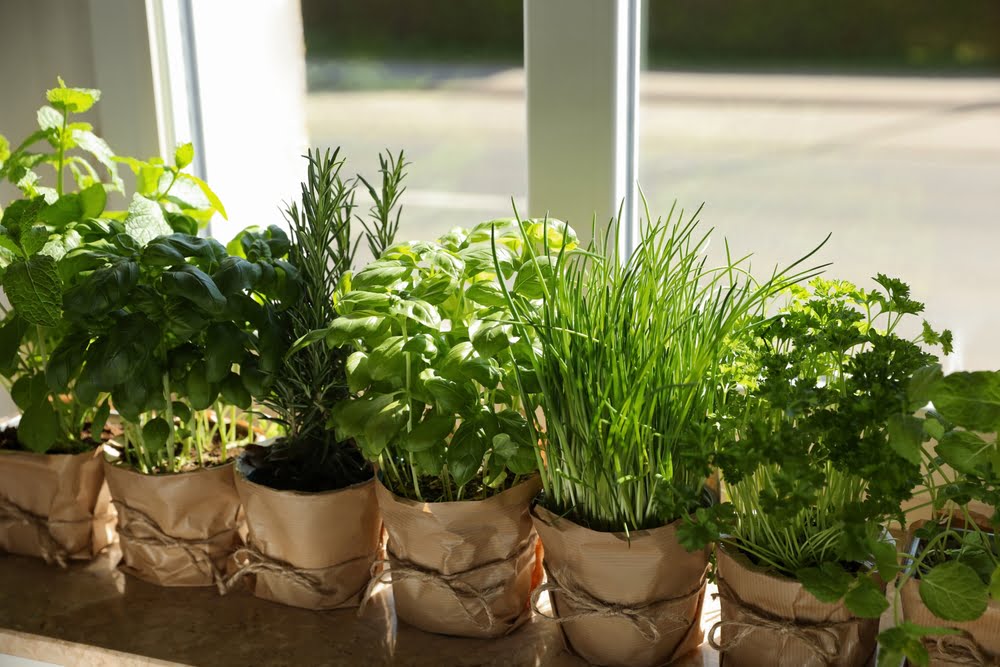
Have you ever dreamed of snipping fresh basil or mint from your kitchen windowsill while cooking? If so, learning how to grow indoor herbs is the perfect way to bring greenery, flavor, and life into your home. It’s easy, affordable, and incredibly rewarding—even if you don’t have a green thumb.
Why Grow Herbs Indoors?
Indoor herbs offer multiple benefits:
- Fresh ingredients year-round
- Cleaner indoor air
- Budget-friendly cooking
- Beautiful, aromatic décor
Whether you live in a tiny apartment or a spacious home, a small pot and sunlight are all you need to get started.
Best Herbs to Grow Indoors
Some herbs thrive better indoors than others. Choose varieties that require minimal care and adjust well to indirect light.
Top indoor herbs:
- Basil – needs warmth and sunlight
- Mint – grows quickly, even in lower light
- Parsley – tolerant of partial shade
- Thyme – thrives in dry, sunny areas
- Chives – very low maintenance
- Cilantro – prefers cool temperatures and regular watering
These are great choices for beginners starting an indoor herb garden.
Essential Supplies You’ll Need
Starting your herb garden doesn’t require expensive equipment. Here’s what you need:
- Small pots with drainage holes
- Potting mix (preferably organic)
- Seeds or starter plants
- Watering can or spray bottle
- Sunny window (south-facing is ideal)
Optional: Grow lights for areas with limited sunlight.
Step-by-Step: How to Grow Indoor Herbs
Step 1: Choose the Right Spot
Most herbs need 4–6 hours of sunlight daily. Place them on a windowsill, countertop, or balcony with good light exposure. Use indoor herbs gardening grow lights if natural light is limited.
Step 2: Pick a Proper Container
Use small pots with drainage to avoid soggy roots. Terra cotta or ceramic pots are ideal as they allow moisture to evaporate.
Step 3: Prepare the Soil
Use high-quality potting mix that drains well. You can add perlite or sand to improve aeration.
Step 4: Plant Seeds or Transplants
Follow seed packet instructions or transplant starter herbs gently into your pots. Water lightly to settle the roots.
Step 5: Water Correctly
Overwatering is a common mistake. Check soil moisture with your finger—only water when the top inch feels dry. Mist leaves occasionally to maintain humidity.
Step 6: Prune Regularly
Trimming encourages bushier growth. For leafy herbs like basil, pinch just above a set of leaves. Use sharp scissors and avoid overharvesting.
Caring for Your Indoor Herbs
- Rotate the pots every few days to ensure even light exposure.
- Remove yellowing leaves and spent flowers.
- Fertilize every 2–3 weeks with an organic liquid fertilizer (optional).
- Keep herbs away from cold drafts or heating vents.
These simple habits ensure your grow herbs indoors efforts stay healthy and productive.
Common Problems and Fixes
| Problem | Solution |
|---|---|
| Leggy growth | Increase light exposure or use grow light |
| Yellowing leaves | Check for overwatering or poor drainage |
| Pests (aphids, gnats) | Use neem oil or insecticidal soap |
| Moldy soil | Improve airflow, reduce watering |
Creative Ways to Use Indoor Herbs
Once your herbs are growing well, the possibilities are endless:
- Add basil to pasta and pizza
- Brew fresh mint tea
- Use parsley in salads and sauces
- Infuse thyme into roasted vegetables
- Make homemade pesto or herb butter
Having herbs at arm’s reach can instantly elevate your cooking game.
Final Thoughts
Learning how to grow indoor herbs is one of the most rewarding home habits you can adopt. Not only do you gain access to fresh, flavorful ingredients, but you also improve your home environment and connect with nature—right from your windowsill.
Start small, be consistent, and you’ll soon be harvesting your own indoor herb garden.